About ADTC
Understand what an Accredited Driving Training Centre is, how it differs from a regular driving school, the legal framework behind it, and why the Government of Uttar Pradesh established this system.
More Than a Driving School — A Government-Backed Authority
An ADTC is not just a private driving school. It is a government-accredited training and testing institution operating under the authority of the Central Motor Vehicles Rules 1989, monitored by the UP Transport Department.
The key difference: while a normal driving school can only provide training, an ADTC holds government-recognized authority to issue Form 5B certificates — which legally exempt holders from the standard RTO driving test under CMVR Rule 15.
- Accredited under CMVR 1989 — Rules 31B to 31J
- Issues legally recognized Form 5B certificates
- Automated evaluation — no human bias
- Monitored and audited by UP Transport Department
- Established under PPP (Public-Private Partnership) model
Form 5B = Your shortcut past the RTO test. Recognized by every RTO across India. Prescribed in CMVR 1989 — a central law.
The Central Motor Vehicles Rules — 1989
The entire ADTC framework is defined within India's Central Motor Vehicles Rules 1989. Key rules that govern ADTC operation:
Test Exemption
A person who has successfully completed a driving training course at an accredited ADTC and holds a Form 5B certificate is exempt from the RTO driving test requirement. This is the rule that gives ADTC its most critical value.
ADTC Accreditation — Eligibility
Defines who may apply for ADTC accreditation, minimum infrastructure requirements, and the application process for recognition by the state transport authority.
Infrastructure & Equipment Standards
Specifies the physical requirements — test track area, safety equipment, classrooms, simulators, and technology infrastructure — that every ADTC must maintain.
Instructor Qualifications
Sets minimum qualifications for instructors and evaluators at ADTCs, including required certifications and periodic re-evaluation.
Monitoring, Compliance & Renewal
Defines how ADTCs are audited and inspected by state transport departments, conditions for suspension or de-accreditation, and accreditation renewal procedures.
What ADTC Can — and Cannot — Do
ADTC has real, government-backed authority — but it is clearly defined and bounded. Understanding these limits is important.
Note: If you hold a valid Form 5B and all your documents are in order, the RTO is obligated to issue your driving licence without requiring a driving test. The RTO cannot arbitrarily demand an additional test from Form 5B holders.
ADTC Firozabad — An Initiative of Kisaan Eicher Tractors
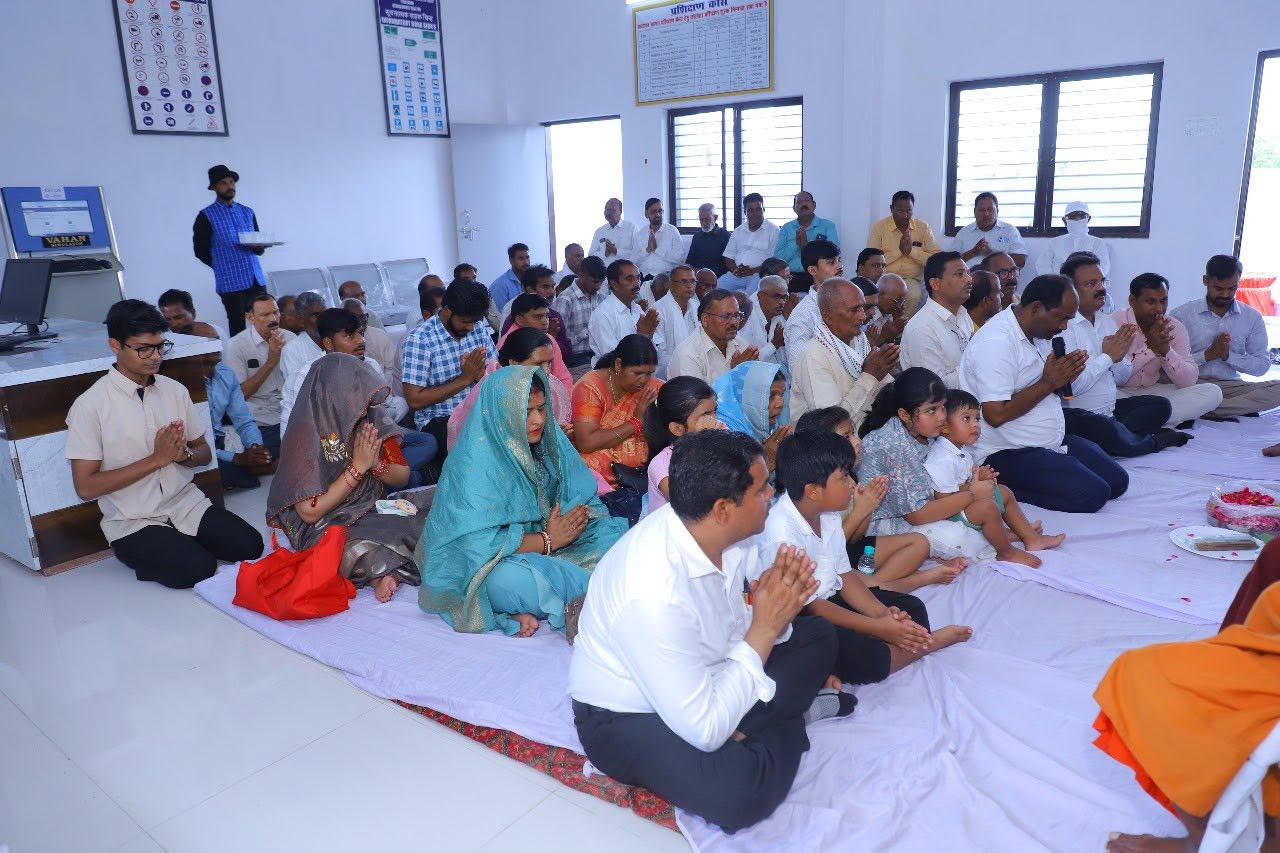
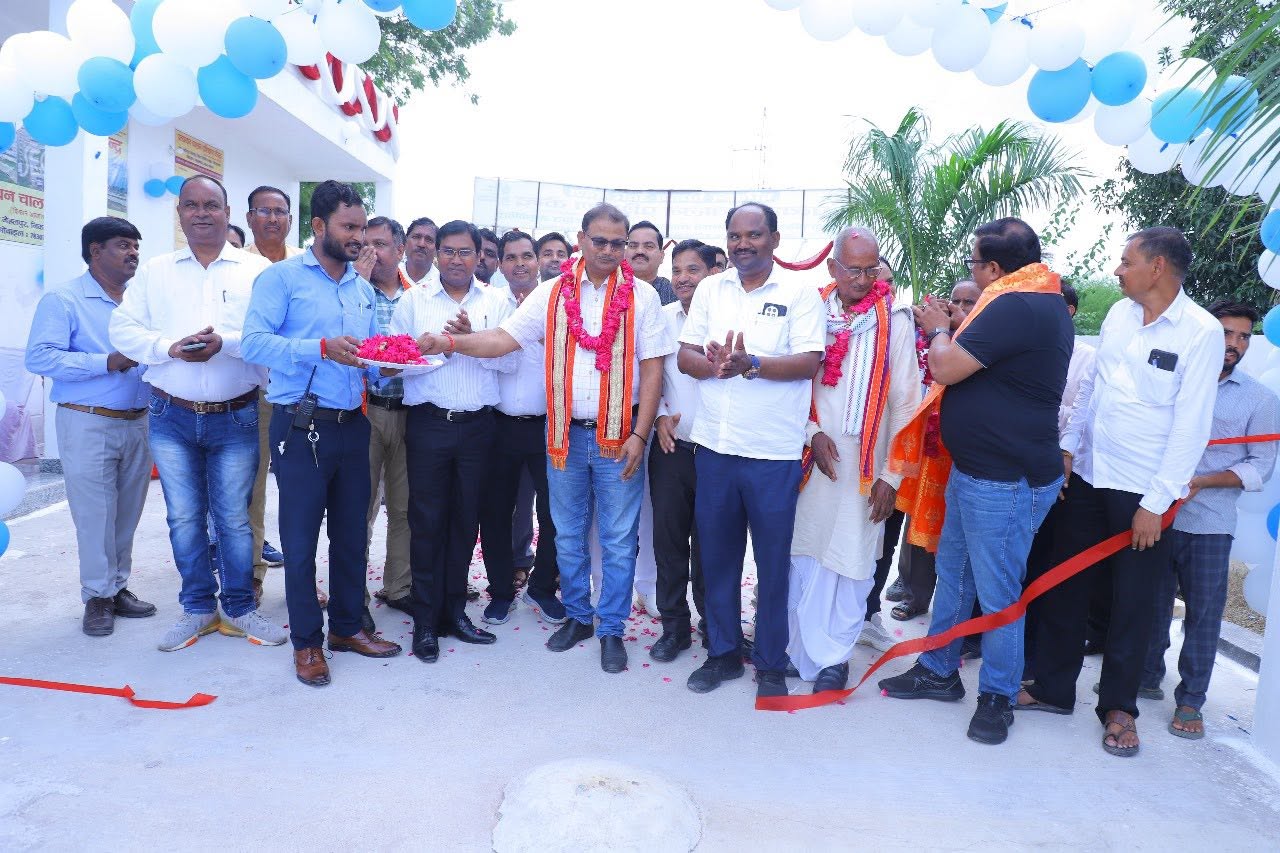
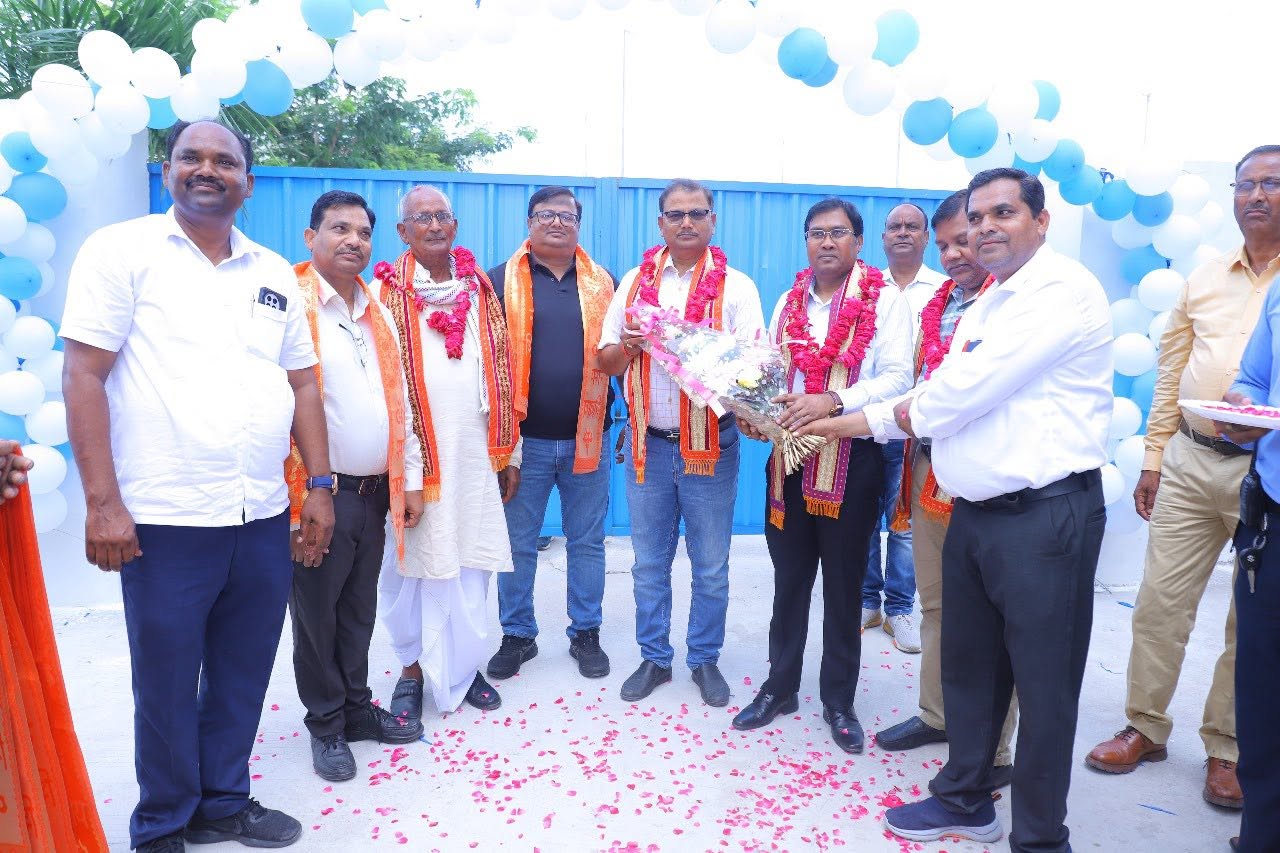
ADTC Firozabad is a subsidiary of Kisaan Eicher Tractors, Shikohabad, Uttar Pradesh — a trusted name in the agricultural and commercial vehicle sector of this region. Leveraging its deep roots in the community and its commitment to service and excellence, Kisaan Eicher Tractors established ADTC Firozabad to contribute directly to road safety and driver education in Uttar Pradesh.
The centre was established under the Government of Uttar Pradesh's Public-Private Partnership (PPP) framework, receiving official accreditation from the UP Transport Department under the Central Motor Vehicles Rules 1989 (Rules 31B–31J). This affiliation ensures the highest standards of training, infrastructure, and accountability — with the government maintaining oversight while Kisaan Eicher Tractors provides the operational excellence and infrastructure investment.
Public-Private Partnership in Uttar Pradesh
The UP Government, under Chief Minister Yogi Adityanath, adopted a PPP (Public-Private Partnership) model to establish ADTCs rapidly across the state — leveraging private sector funds and technology while maintaining government oversight and authority.
Government's Role
Sets standards, issues accreditation, monitors compliance, conducts audits, maintains ultimate authority over licensing and certification.
Private Partner's Role
Funds infrastructure, sets up test tracks and equipment, hires and trains instructors, operates the facility, maintains technology for 3+ years.
Maruti Suzuki Partnership
MoA signed December 2, 2023 with UP Transport Department. 17+ Automated Driving Test Tracks (ADTTs) planned across UP by 2026. First inaugurated in Ayodhya, March 2024.
ADTC vs. Regular Driving School
A detailed comparison of what separates an accredited ADTC from any other driving school.
| Feature | Regular Driving School | ADTC Firozabad |
|---|---|---|
| Government Accreditation | Not required | Mandatory under CMVR Rules 31B–31J |
| Legally Recognized Certificate | No RTO-recognized certificate | Form 5B — accepted by all RTOs in India |
| RTO Test Exemption | Must still take RTO driving test | Exempted under CMVR Rule 15 |
| Evaluation Method | Instructor's subjective judgement | Fully automated — RFID sensors, HD cameras |
| Test Track Standards | Basic, may be inadequate | CMVR-prescribed ADTT standards |
| Corruption Risk | Possible — human evaluation | Zero — automated scoring system |
| Government Monitoring | Minimal oversight | Regular audits by Transport Dept. |
| Instructor Certification | Varies — no standard requirement | CMVR-certified, periodically re-evaluated |
| National DB Integration | No connectivity | Linked to Parivahan national portal |
| Driving Simulator | Rarely available | Advanced simulators for pre-track practice |
Start Your Enrolment at ADTC Firozabad
Train professionally, get evaluated fairly, receive Form 5B, and obtain your driving licence without the RTO test.